

-
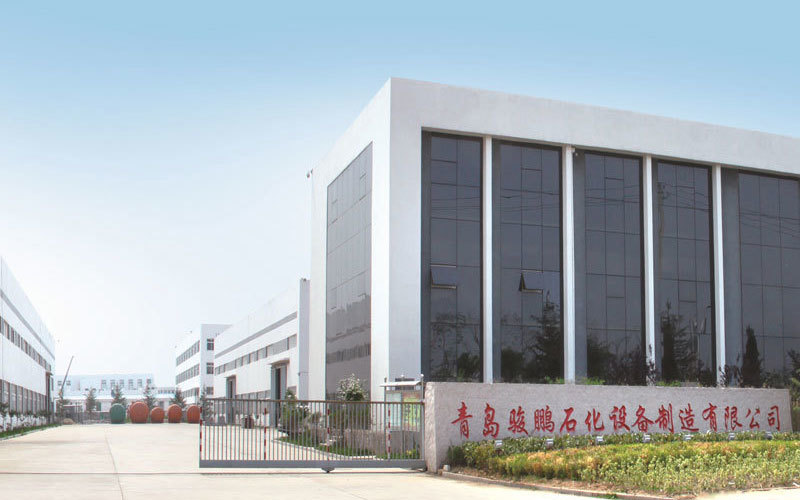
About UsQingdao Junpeng Petrochemical Equipment Manufacturing Co., Ltd. was established on February 10, 2010 with a registered capital of 51 million yuan. It is located in the beautiful tourist city of Qingdao.
-
ProductsQingdao Junpeng Petrochemical Equipment Manufacturing Co., Ltd. was established on February 10, 2010 with a registered capital of 51 million yuan. It is located in the beautiful tourist city of Qingdao.
Blog
Frequently Asked Questions about Oil (Gas) Boilers
Published time:
2025-03-05 00:32
Common Problems with Oil (Gas) Boilers
Oil (gas) boilers are increasingly common in modern industrial and home heating systems. However, many people still have questions about their use and maintenance. Today, let's discuss some common problems to help you better understand and use oil (gas) boilers.
1. What is the working principle of an oil (gas) boiler?
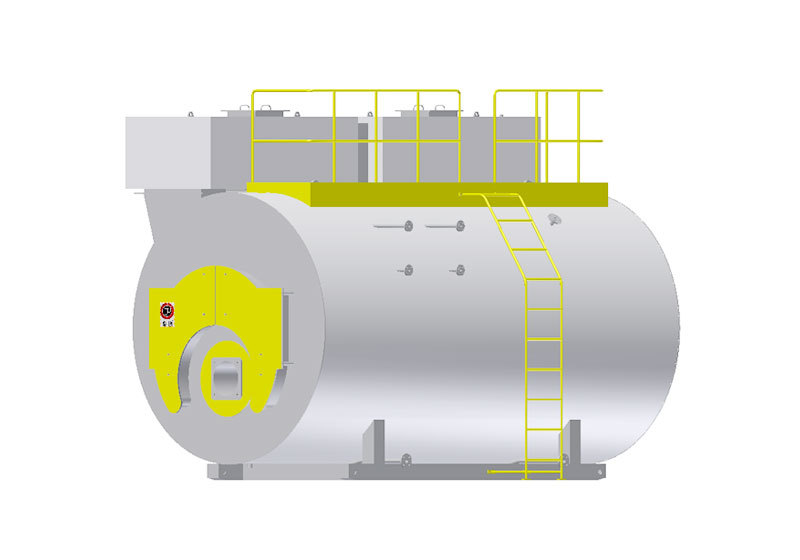
Simply put, an oil (gas) boiler heats water by burning fuel, then delivers the hot water to where it's needed. Fuel combustion generates heat, which is transferred to the water through the heat exchanger inside the boiler, ultimately achieving heating or hot water purposes. Sounds simple, doesn't it?
2. How to choose a suitable oil (gas) boiler?
When choosing a suitable oil (gas) boiler, you need to consider several factors: First, the boiler's power should match your heating needs; second, the fuel type, you can choose oil or natural gas according to your actual situation; finally, the boiler's energy efficiency rating is also an important consideration, choosing a high-efficiency boiler can save you a lot of money!
3. What should be noted about the maintenance of oil (gas) boilers?
Regular maintenance is key to ensuring the efficient operation of oil (gas) boilers. Generally, you should have a professional inspection and maintenance once a year, checking the burner, heat exchanger, and pipes for blockages and leaks. In addition, keeping the surrounding environment of the boiler clean is also very important to avoid dust and debris affecting the boiler's operation.
4. Common malfunctions and troubleshooting of oil (gas) boilers
During use, oil (gas) boilers may inevitably encounter some minor problems, such as difficulty igniting, excessive noise, or unstable water temperature. When encountering these problems, first check whether the fuel supply is normal, then confirm whether the control panel settings are correct. If the problem still cannot be solved, it is recommended to contact a professional for repair, after all, safety is the top priority!
5. Safety precautions for using oil (gas) boilers
Safe use of oil (gas) boilers is crucial. First, ensure good ventilation for the boiler to avoid harmful gases from incomplete combustion. Second, do not arbitrarily adjust the boiler settings, especially the pressure and temperature settings. Finally, regularly check the flue and exhaust pipes to ensure there are no blockages or leaks, ensuring the safety of your home and personnel.
Conclusion
Through the above introduction, we hope that you have a deeper understanding of the common problems of oil (gas) boilers. Whether it is selection, maintenance or safe use, as long as you master these key points, you can make your boiler operate efficiently, bringing warmth and comfort. If you have any other questions, please feel free to consult a professional!
Related News
What is a boiler heating surface?
The heating surface of a boiler generally refers to the metal surface area in contact with flames or flue gases (the other side is in contact with water or heat transfer oil). Heat exchange in a boiler is carried out through such a metal surface area. It is generally measured in square meters (m²). A larger heating surface area means a larger boiler capacity, and vice versa.
Boiler capacity refers to the ability of a steam boiler, hot water boiler, or organic heat carrier boiler to provide thermal energy. A larger capacity means a greater heating capacity and output; conversely, a smaller capacity means a smaller heating capacity and output. For example, a 1t/h steam boiler means that the boiler can convert 1 ton of water into saturated steam at a certain pressure within 1 hour; a 0.7 MW hot water boiler or organic heat carrier boiler means that it can generate heat equivalent to 0.7 MW of power (equivalent to the heat of 1 ton of steam) within 1 hour.
To overcome the numerous existing environmental and other shortcomings of industrial pulverized coal boilers, Junpeng Petrochemical has developed and launched a practical new type of industrial pulverized coal corner tube boiler. This product ensures stable combustion, high combustion efficiency, and reduces ash accumulation on the convective heating surface, achieving the goal of high efficiency, energy saving, and emission reduction. In the current domestic industrial pulverized coal boiler field, it is the first time to use the burner counter-arrangement technology to completely solve the problem of complete combustion, and the heating surface basically does not form slag, ensuring that the flue gas temperature remains within the design range under full load. Qingdao sheet metal processing is very common in the production of mechanical industry, and is an important part of mechanical production, with wide applications in automobiles, aerospace and other fields. It directly determines the appearance of the machine and reflects the maturity of the machine. With the rapid development of the machinery manufacturing industry, the shapes of sheet metal parts are becoming increasingly complex.

Contact Us
Sales Tel: +86-0532-58710666
Sales Tel: +86-13335063629
After-sales Tel: +86-0532-58710332
After-sales Tel: +86-13969678003
Email: qdjp-zh@163.com
Address: Qingdao High-tech Industrial Development Zone, New Materials Group
Copyright © 2025 Qingdao Junpeng Petrochemical Equipment Manufacturing Co., Ltd