

-
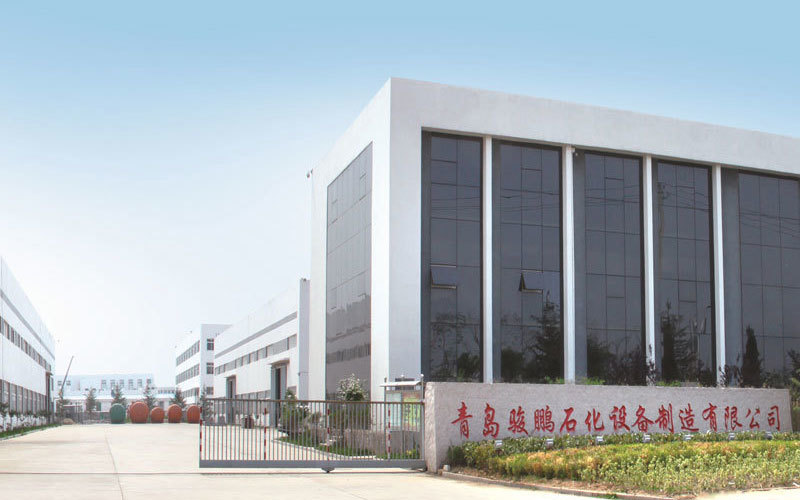
About UsQingdao Junpeng Petrochemical Equipment Manufacturing Co., Ltd. was established on February 10, 2010 with a registered capital of 51 million yuan. It is located in the beautiful tourist city of Qingdao.
-
ProductsQingdao Junpeng Petrochemical Equipment Manufacturing Co., Ltd. was established on February 10, 2010 with a registered capital of 51 million yuan. It is located in the beautiful tourist city of Qingdao.
Blog
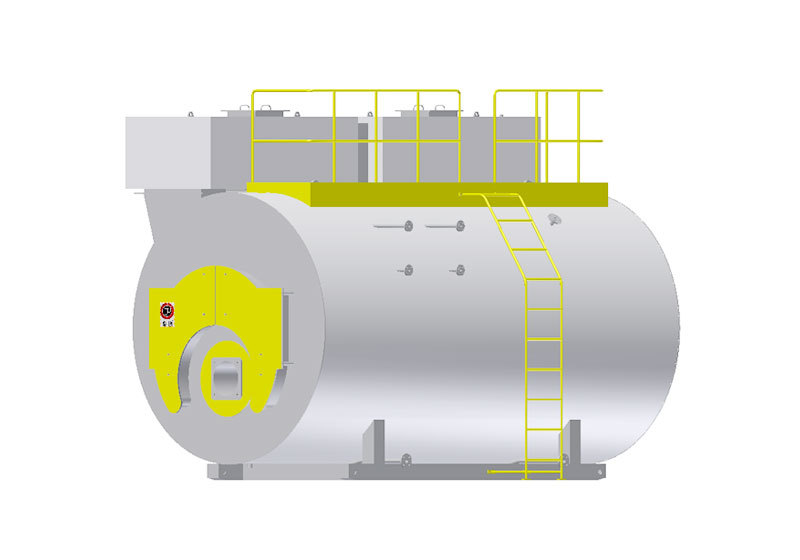
The importance and application of oil (gas) boilers in industry solutions
Published time:
2025-02-19 00:34
Introduction
In modern industrial production, the acquisition and utilization of thermal energy is crucial. Oil (gas) boilers, as highly efficient thermal energy equipment, are gradually becoming the preferred choice for various industries. Whether in manufacturing, construction, or the chemical industry, oil (gas) boilers demonstrate unique advantages. Next, we will delve into the role of this equipment in industry solutions.
Basic Principles of Oil (Gas) Boilers
First, let's understand the basic working principles of oil (gas) boilers. Simply put, oil (gas) boilers convert chemical energy into thermal energy by burning fuel oil or natural gas, which then heats water or steam to meet the thermal energy needs of various industrial processes. Its efficient heat exchange system and advanced control technology make oil (gas) boilers particularly outstanding in energy saving and emission reduction.
Industry Application Cases
Speaking of applications, oil (gas) boilers are ubiquitous. For example, in the food processing industry, the demand for hot water and steam is large, and oil (gas) boilers can quickly provide the required heat source, ensuring smooth production processes. In the chemical industry, boilers are not only used for heating but also often undertake the task of heating reactors, ensuring the stability of reaction conditions.
Applications in Manufacturing
In manufacturing, oil (gas) boilers are mainly used for heating and steam supply. It can effectively improve production efficiency and reduce energy consumption. Many companies have successfully achieved automation of production processes, reduced labor costs, and improved product competitiveness by introducing advanced oil (gas) boilers.
Hot Water Supply in the Construction Industry
In the construction industry, oil (gas) boilers are often used for central heating and hot water supply. Especially in cold regions, the stability and efficiency of the boiler are particularly important. By rationally configuring the boiler system, buildings can achieve rapid heating and improve living comfort.
Environmental Impact and Sustainable Development
Of course, we cannot ignore the challenges of oil (gas) boilers in environmental protection. With increasingly stringent environmental protection policies, many companies are beginning to transition to more environmentally friendly fuels. For example, the combined application of biomass fuels and natural gas can achieve efficient combustion while significantly reducing exhaust emissions. In this way, oil (gas) boilers can not only meet production needs but also contribute to sustainable development.
Future Outlook
Looking to the future, the technology of oil (gas) boilers will continue to be updated and iterated. Intelligent and automated control systems will become increasingly prevalent, improving the convenience and safety of their use. At the same time, complementary multi-energy thermal energy solutions may become a major trend in industry development. When choosing boilers, companies should not only consider economic factors but also pay attention to their environmental protection and intelligence levels.
Conclusion
In summary, the widespread application of oil (gas) boilers in various industries fully reflects their importance as thermal energy equipment. In the implementation of industry solutions, the rational selection and use of oil (gas) boilers will help improve production efficiency, reduce energy consumption, and promote sustainable development. In the future, we look forward to seeing more innovation and breakthroughs from companies in this area!
Related News
What is a boiler heating surface?
The heating surface of a boiler generally refers to the metal surface area in contact with flames or flue gases (the other side is in contact with water or heat transfer oil). Heat exchange in a boiler is carried out through such a metal surface area. It is generally measured in square meters (m²). A larger heating surface area means a larger boiler capacity, and vice versa.
Boiler capacity refers to the ability of a steam boiler, hot water boiler, or organic heat carrier boiler to provide thermal energy. A larger capacity means a greater heating capacity and output; conversely, a smaller capacity means a smaller heating capacity and output. For example, a 1t/h steam boiler means that the boiler can convert 1 ton of water into saturated steam at a certain pressure within 1 hour; a 0.7 MW hot water boiler or organic heat carrier boiler means that it can generate heat equivalent to 0.7 MW of power (equivalent to the heat of 1 ton of steam) within 1 hour.
To overcome the numerous existing environmental and other shortcomings of industrial pulverized coal boilers, Junpeng Petrochemical has developed and launched a practical new type of industrial pulverized coal corner tube boiler. This product ensures stable combustion, high combustion efficiency, and reduces ash accumulation on the convective heating surface, achieving the goal of high efficiency, energy saving, and emission reduction. In the current domestic industrial pulverized coal boiler field, it is the first time to use the burner counter-arrangement technology to completely solve the problem of complete combustion, and the heating surface basically does not form slag, ensuring that the flue gas temperature remains within the design range under full load. Qingdao sheet metal processing is very common in the production of mechanical industry, and is an important part of mechanical production, with wide applications in automobiles, aerospace and other fields. It directly determines the appearance of the machine and reflects the maturity of the machine. With the rapid development of the machinery manufacturing industry, the shapes of sheet metal parts are becoming increasingly complex.

Contact Us
Sales Tel: +86-0532-58710666
Sales Tel: +86-13335063629
After-sales Tel: +86-0532-58710332
After-sales Tel: +86-13969678003
Email: qdjp-zh@163.com
Address: Qingdao High-tech Industrial Development Zone, New Materials Group
Copyright © 2025 Qingdao Junpeng Petrochemical Equipment Manufacturing Co., Ltd