

-
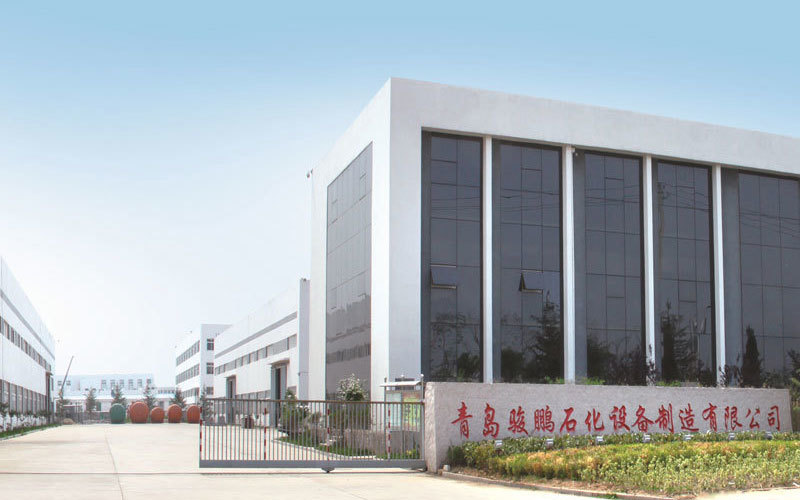
About UsQingdao Junpeng Petrochemical Equipment Manufacturing Co., Ltd. was established on February 10, 2010 with a registered capital of 51 million yuan. It is located in the beautiful tourist city of Qingdao.
-
ProductsQingdao Junpeng Petrochemical Equipment Manufacturing Co., Ltd. was established on February 10, 2010 with a registered capital of 51 million yuan. It is located in the beautiful tourist city of Qingdao.
Products
Phase change (positive pressure) heating furnace
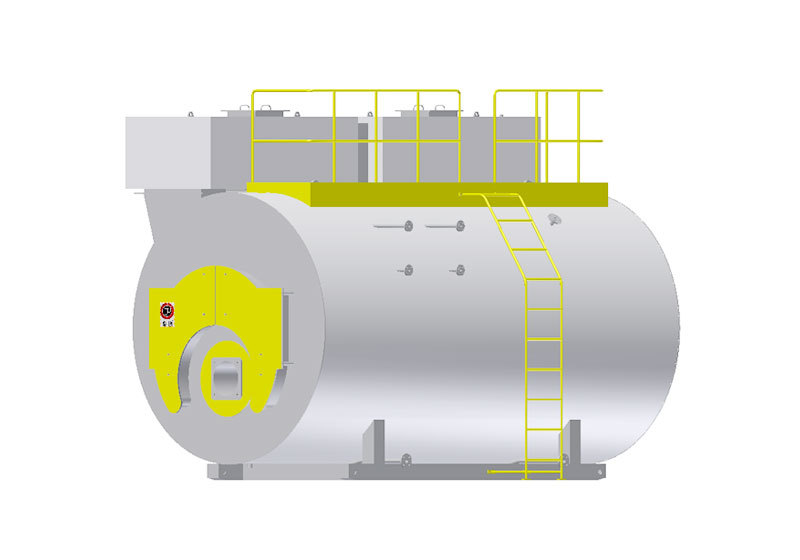
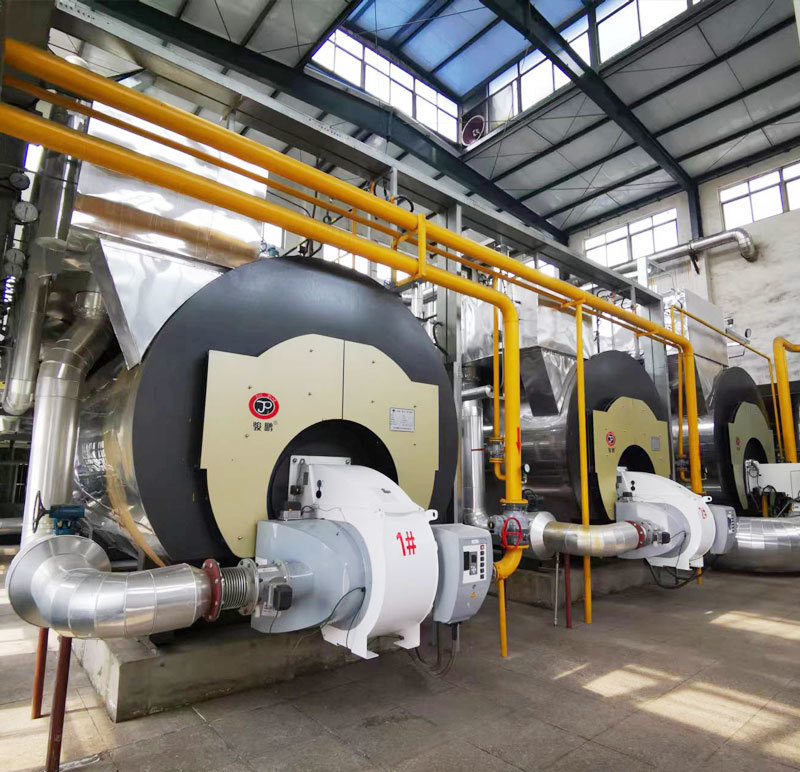
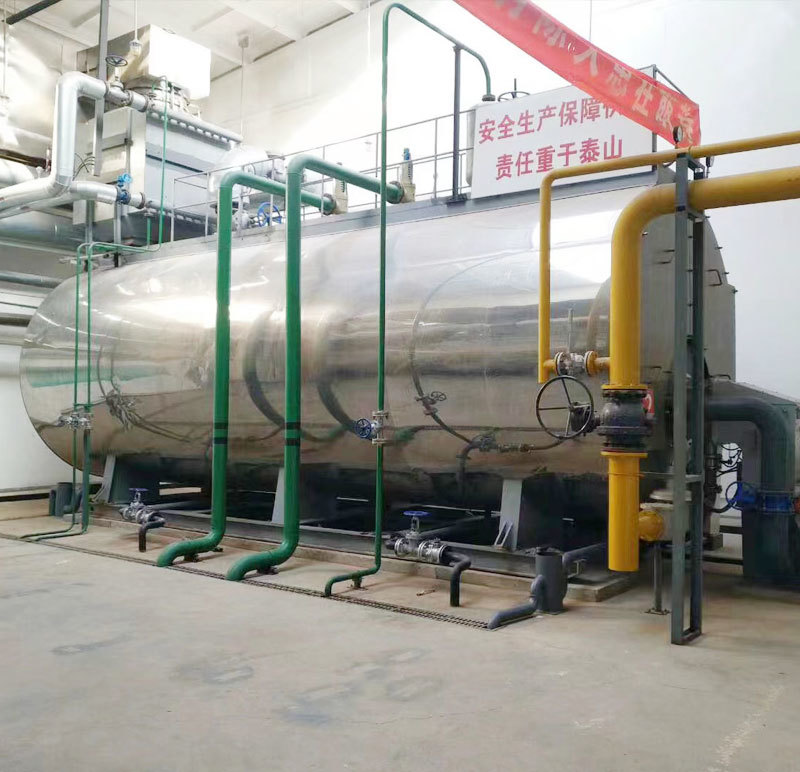
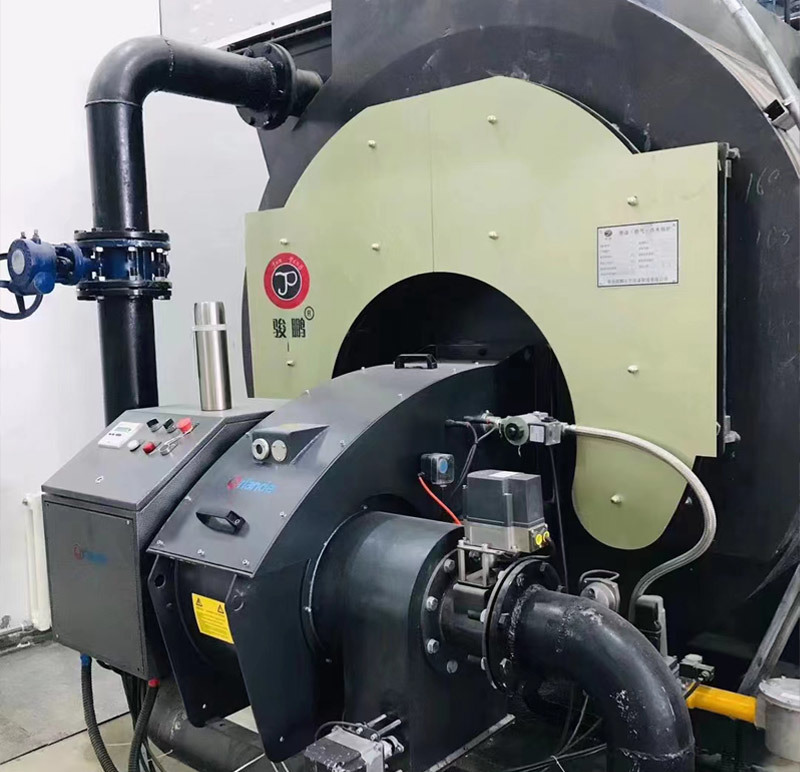
Phase change (positive pressure) heaters, also known as steam phase change heaters, consist of two parts: a horizontal, internally fired, wet-back, three-pass fire tube heater and a steam phase change heat exchanger. These heaters can be configured in two ways: with the steam phase change heat exchanger either integrated into or positioned above the fire tube heater.
Category:
Oilfield Heating Boiler
Keywords:
Boiler Equipment

Phone:
Email:
Online Message
Product Description
A phase-change (positive pressure) heater, also known as a steam phase-change heater, consists of two parts: a horizontal, wet-back, three-pass fire tube furnace and a steam phase-change heat exchanger. This type of heater can be configured in two ways: with the steam phase-change heat exchanger built-in or positioned above the fire tube furnace.
Fuel is injected from the burner into the furnace chamber under slight positive pressure and burns. The high-temperature flue gas produced radiates heat in the corrugated furnace combustion chamber, then passes through the second-pass smoke tube, then through the front smoke box into the third-pass smoke tube, then through the rear smoke box, and finally exits through the chimney into the atmosphere. The generated steam enters the phase-change heat exchanger through a connecting pipe, where it condenses, releasing a large amount of latent heat of vaporization to heat the oil in the exchanger. The tube side of the steam phase-change heat exchanger is divided into two passes, and the heated medium flows inside under the action of a system circulation pump, absorbing the heat released by the steam condensation.
Phase-change heat transfer principle: The burner fully combusts the fuel, and the heat is transferred through the fire tube (radiant heating surface) and smoke tubes (convective heating surface) of the furnace to the intermediate medium water inside the boiler shell. The water heats up, boils, and evaporates from liquid to gas phase. Water vapor gradually fills the gas phase space of the furnace. Because the temperature of the heated medium pipe wall inside the coil is much lower than the steam temperature, the steam condenses on the outer wall of the coil and transfers heat to the medium inside the coil. The condensed water falls back into the water space under the action of gravity. This cycle repeats, achieving the phase-change heat transfer process.
The phase-change heater uses steam to sweep across horizontal pipes for heat exchange. The heater uses phase-change heat transfer technology, dividing the enclosed space within the heater shell into a vaporization space and a phase-change space. The combustion of fuel heats the heat transfer medium water to produce saturated steam. The saturated steam rises to the phase-change space and contacts the heat-receiving element at a temperature below saturation, condensing and releasing phase-change heat (latent heat of vaporization). This heat is transferred to the heated medium inside the heat exchange tube. After the steam condenses and releases heat, it returns to the vaporization space. This cycle continuously transfers heat to the heated medium inside the heat exchange tube. Therefore, the phase-change heater does not require frequent maintenance.
1. Skid-mounted phase-change heater: The skid-mounted phase-change heater is derived from the integrated phase-change heater. The heater's auxiliary equipment and associated piping and instrumentation are installed and manufactured at the factory and then transported to the user's site for production and operation. No additional installation work is required on-site.
Product Performance
Our currently used phase-change heaters can achieve a large load of 5000 KW, with a design and operating thermal efficiency of 85%-92%. Equipped with a suitable control system, it has good operating performance. The main features are as follows:
1. Reasonable Design, Compact Structure
●The phase-change heater consists of a furnace (shell side) and a heat exchanger (tube side), with the heat exchanger and combustion chamber combined into one unit. Both the combustion chamber and the heat exchange section are in the same enclosed container. The combustion chamber heating surface adopts a low-position design, placing the fire tube in a lower position. This helps to submerge the higher-temperature combustion chamber in water, increasing the safe range of the heater water level.
●The fire tube adopts a two-pass wet-back structure with a corrugated furnace, which not only expands the heating surface area but also, due to its good expansion and contraction performance, effectively reduces thermal stress during operation and increases the service life of the heater.
●The upper part of the shell is the heat exchange area. According to different user requirements, the heat exchange area can be divided to meet various functional requirements.
2. Energy-saving, Low Energy Consumption, Environmentally Friendly
●The inside of the shell operates in an airtight, oxygen-free state. Treated oxygen-free water is used for condensation heat exchange with the coils, releasing a large amount of latent heat. The absence of air reduces oxidation and corrosion of the coils. Tests have shown that the heat transfer coefficient is affected by up to 40% between the presence and absence of air in the furnace. By utilizing the advantageous factors of oxygen-free thermal resistance, the heat exchange efficiency can be significantly improved.
●The water in the boiler shell is heated and circulated in a closed state, with no steam overflow, resulting in minimal heat loss and thermal efficiency as high as 85%-92%.
●The heater uses low-pollution emission burners, and its environmental emissions meet relevant domestic and international standards.
3. Durable, Safe, and Reliable
●Because the coils exchange heat in an oxygen-free and scale-free closed chamber, there is no oxygen corrosion, and no scaling occurs on the outer wall of the coils. The absence of corrosion and scaling significantly extends the service life of the coils.
●Because the boiler shell operates in a fully closed state, cleaning is not required for at least 3-5 years. If softened water is added, there is no scaling on the fire tube submerged in water, reducing stress corrosion and overheating softening caused by scaling, thus extending the service life.
4. Simple Control, Convenient Operation
●The heater control system uses a human-machine interface, allowing for remote transmission and display of operating data. The control is simple and convenient, reducing the amount of on-site labor.
Composition of Vacuum (Positive Pressure) Phase-Change Heater
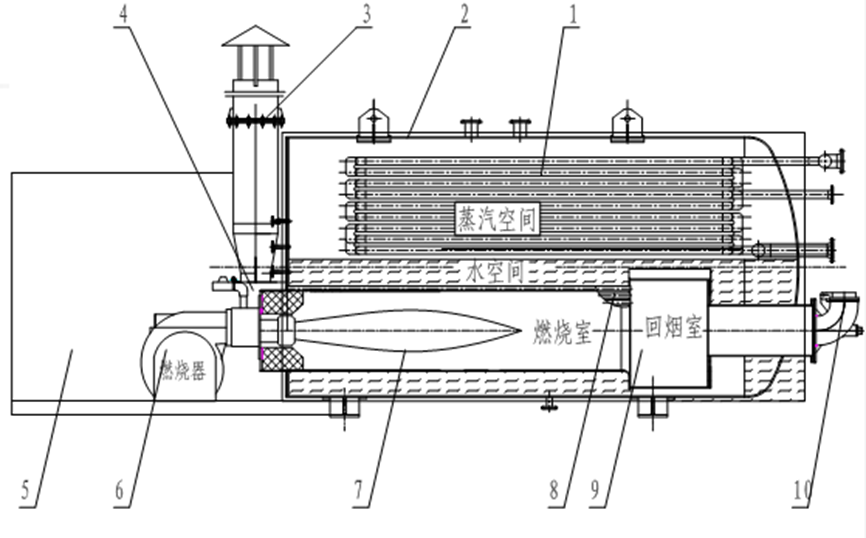
1—Coil 2—Body 3—Chimney 4—Smoke Box 5—Control Room
6—Burner 7—Fire Tube 8—Smoke Tube 9—Return Smoke Chamber 10—Explosion-proof Door
Related Products
Contact Us
Sales Tel: +86-0532-58710666
Sales Tel: +86-13335063629
After-sales Tel: +86-0532-58710332
After-sales Tel: +86-13969678003
Email: qdjp-zh@163.com
Address: Qingdao High-tech Industrial Development Zone, New Materials Group
Copyright © 2025 Qingdao Junpeng Petrochemical Equipment Manufacturing Co., Ltd