

-
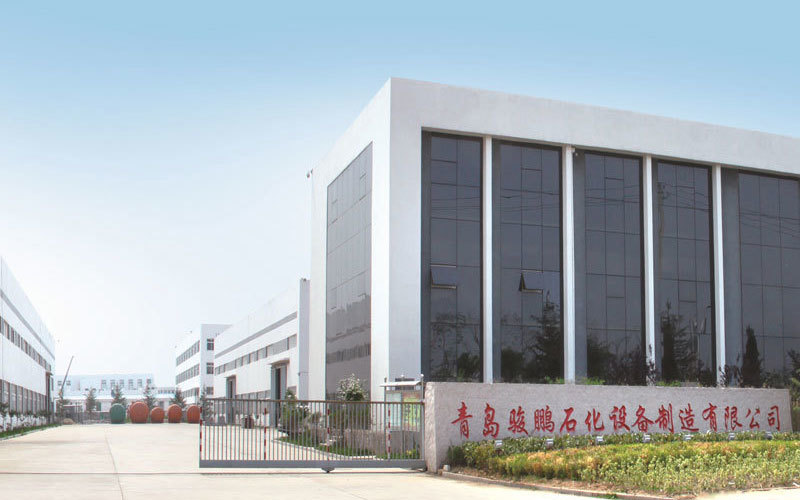
About UsQingdao Junpeng Petrochemical Equipment Manufacturing Co., Ltd. was established on February 10, 2010 with a registered capital of 51 million yuan. It is located in the beautiful tourist city of Qingdao.
-
ProductsQingdao Junpeng Petrochemical Equipment Manufacturing Co., Ltd. was established on February 10, 2010 with a registered capital of 51 million yuan. It is located in the beautiful tourist city of Qingdao.
Products
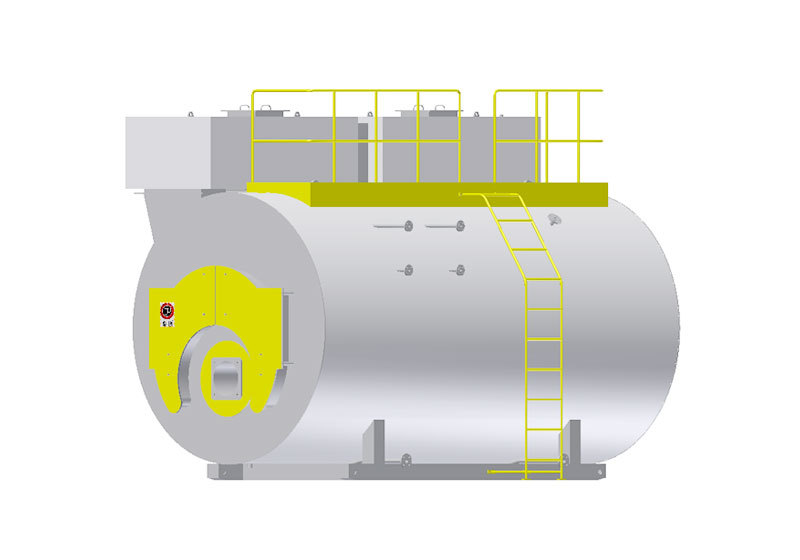
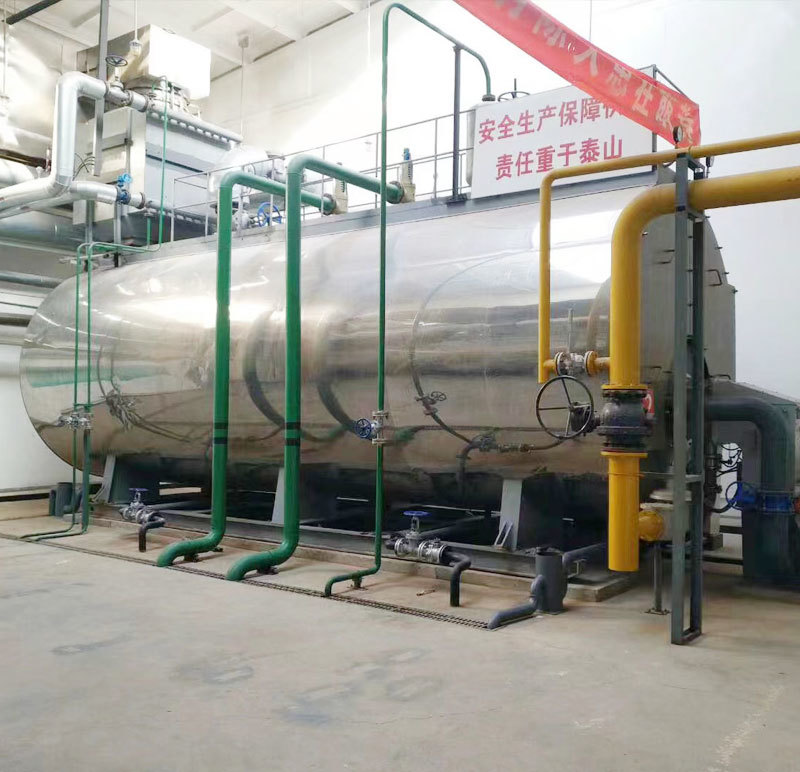
Fuel (gas) steam boiler (SZS series)
The SZS water tube boiler is a stable product designed, manufactured, and operated by Qingdao Junpeng Petrochemical Equipment Manufacturing Co., Ltd. It is suitable for oil, gas, and mixed oil and gas fuels. It features a compact structure, high thermal efficiency, and strong ability to adapt to load fluctuations. It is widely used in various situations such as regional heating, factories, hotels, hospitals, and oil fields.
Category:
Oil (gas) Boiler (SZS Series)
Keywords:
Boiler Equipment

Phone:
Email:
Online Message
Product Description
1. Product Technical Features
The SZS water tube boiler is a stable product designed, manufactured, and operated by Qingdao Junpeng Petrochemical Equipment Manufacturing Co., Ltd. It is suitable for oil, gas, and mixed oil-gas fuels. It features a compact structure, high thermal efficiency, and strong ability to adapt to load fluctuations. It is widely used in various situations such as regional heating, factories, hotels, guesthouses, hospitals, and oil fields.
The boiler is a double-drum, all-water-tube boiler that combines forced and natural circulation. The upper and lower drums are located on the left side of the boiler, with convective tube bundles in between, and a membrane water wall made of steel pipes on the right side, forming a "D"-shaped boiler structure. All water walls are directly connected to the drums without separate headers. A membrane water wall made of steel pipes is arranged on the rear wall of the furnace. The burner is arranged on the front wall, with micro-positive pressure combustion, a large furnace volume, and complete combustion.
█Furnace
The boiler furnace is entirely made of a membrane water wall structure. The front wall, side walls, furnace top, and furnace bottom are all water walls. The rear wall, which operates under harsh conditions, also uses a membrane water wall, unlike some domestic manufacturers who use easily damaged refractory brick walls, avoiding later rear wall maintenance. Refractory insulation material is installed on the front wall at the burner installation location. All water walls are directly connected to the upper and lower drums without separate headers. This not only makes the structure compact but also forms a smooth water circulation loop.
█Convective Tube Bundle
Between the upper and lower drums of the boiler, a closed loop including rising and falling pipes is formed according to a certain cross-sectional ratio to ensure the safe and reliable water circulation of the boiler. At the same time, a membrane wall structure is used between the convective tube bundles to divide the convective tube bundle area into two flue gas return paths.
█Three-Pass Flue Gas Flow
The fuel is fed into the furnace for combustion through the burner arranged on the front wall. After the high-temperature flue gas radiates heat, it turns 180° in the furnace and enters the second-pass convective tube bundle, flowing towards the front of the furnace. After reaching the front, it turns back and flows through the third-pass convective tube bundle, allowing the convective tube bundle to fully absorb heat. Then, it enters the flue through the flue gas outlet arranged on the rear side of the boiler. After passing through the flue, it enters the economizer, where it exchanges heat again before being discharged through the chimney.
█Water Circulation Process
Due to the high furnace volume heat intensity of the gas boiler, we have adopted a combination of forced and natural circulation in the design of the water circulation loop. That is, forced circulation is used in the furnace water wall section, while natural circulation is used in the convective tube bundle area. To achieve forced circulation, a longitudinal baffle and two transverse baffles are installed in the upper drum. The longitudinal baffle separates the furnace water wall section and the convective tube bundle section, while the transverse baffles divide the furnace water wall section into two front and rear sections.
The water flow is as follows: After the return water is injected into the rear forced circulation area of the upper drum through the return water pipe, it first goes down and then up again before entering the upper drum. Then, it undergoes natural circulation through the circulation loop formed by the upper drum, lower drum, and convective tube bundles. The convective tube bundles in the second pass are the rising pipes, and those in the third pass are the falling pipes. Finally, it is guided to the outlet pipe through the gas collecting device arranged on the upper drum and sent to the user end.
█Airtight Furnace Wall Structure
The boiler not only uses a membrane wall structure in the furnace section but also uses a membrane wall structure on the outermost and front and rear sides of the convective tube bundles. This structure ensures the airtightness of the boiler, making the boiler's air leakage zero! The boiler can be burned under micro-positive pressure.
Unlike some domestic companies, because they cannot guarantee airtightness, they must add induced draft fans and burn under negative pressure. This increases the user's operating power consumption.
In the entire flue gas process, the excess air coefficient is a fixed value. According to the combustion requirements and boiler emission requirements, the excess air coefficient of the boiler is 1.09. Due to the use of the membrane wall structure, flue gas leakage during positive pressure combustion is eliminated, keeping the boiler wall temperature at a lower level. The surface temperature of the entire boiler is ≤40℃. This reduces heat loss and improves the boiler's thermal efficiency.
█Steel Structure Base
The boiler uses a steel structure base, with good overall structural stability and convenient installation and positioning. It does not require supports or pile foundations, has good seismic performance, greatly facilitates installation, and reduces the user's infrastructure investment.
█Thermal Expansion
The boiler design adopts front-end fixation and expands backward after ignition. The boiler furnace is designed to expand upward. Expansion is smooth, and the pressure-bearing components are not affected by additional temperature pressure, ensuring the safe and reliable operation of each component.
█Outer Cladding
The boiler membrane water wall is insulated with glass fiber cotton and covered with colored steel plates. The appearance is simple, clear, beautiful, and durable. The structure is reasonable and easy to disassemble, facilitating inspection and maintenance.
█Platform Ladder
The boiler has a complete platform ladder. The left platform is used for daily operation of the valves on the drum and for entering the upper drum for maintenance. The lower platform in the front is used for burner operation and maintenance, as well as daily fire monitoring.
█Flue Gas Emission
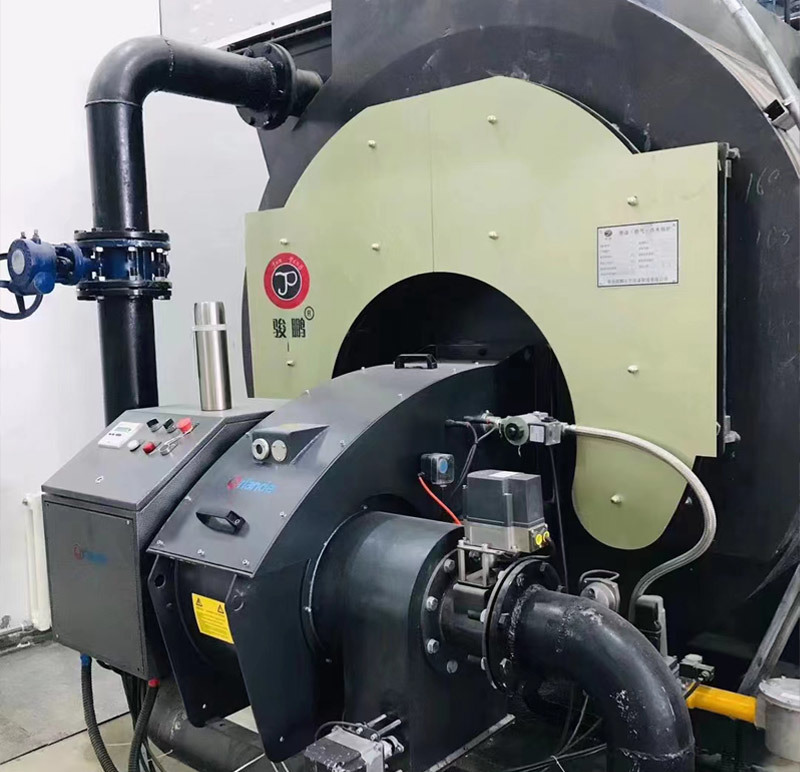
The boiler is equipped with an original imported natural gas burner. The furnace size design is perfectly matched with the flame characteristics of the burner, ensuring sufficient combustion and heat exchange, and the emissions meet environmental protection requirements.
2. Boiler Performance Introduction
1. The boiler furnace water circulation uses natural circulation, eliminating the risk of pipe bursts, and ensuring safe and reliable operation.
2. The flue gas recirculation technology is used to significantly reduce NOx.
3. The convective tube bundles use low smoke speed, ensuring the smoke speed is below 12 m/s to prevent Karman vortex street vibration and ensure the reliability of the convective tube bundle welds.
4. The economizer is arranged at the top, and the lower boiler body structure is compact.
5. Due to the low smoke speed of the convective tube bundles and economizer, the overall flue gas resistance of the boiler is small, reducing fan power consumption.
6. The boiler return water pre-mixing heating technology is used to ensure that the water temperature entering the boiler body is not lower than 60 degrees, ensuring that there is no condensate in the flue of the convective tube bundle at low loads and keeping the economizer fin tubes clean and unobstructed.
The D-type boiler is a frameless, natural circulation, double-drum water-tube boiler with vertically arranged drums, a full membrane water-cooled wall structure, and slightly positive pressure combustion. According to product type, it can be divided into hot water, saturated steam, and superheated steam boilers.
D-type boilers use gas and liquid fuels and are suitable for steel mills, coke oven gas, and other waste gases and liquid fuels. They are equipped with state-of-the-art combustion equipment and a fully automatic control system to ensure the safest and most economical operation of the boiler.
The D-type boiler is used in a wide range of applications, from chemical plants, steel plants, heating companies, and various industrial companies to serving as start-up boilers for power plants. It can also be used for heating, processing, and power generation.
This boiler is suitable for indoor or outdoor operation.
Depending on the steam temperature, the superheater is arranged in single or two stages, and the superheated steam temperature is kept constant by a desuperheater located downstream or between the two stages.
The superheater has strong radiant and convective characteristics, and the rate of change in superheated steam temperature is relatively small during load changes.
The superheater is horizontally installed in the turning flue chamber of the second pass at the rear of the furnace. Because of the horizontal installation of the superheater tubes, complete drainage is possible, which can accelerate the start-up speed under cold conditions. Each tube of the superheater can be replaced individually. The superheater headers do not come into contact with the flue gas, and due to their vertical arrangement, they can be completely drained and ventilated.
To improve boiler thermal efficiency, a steel tube economizer or a steel finned tube economizer is usually installed at the rear of the boiler body.
When the feedwater temperature is sufficiently high and the flue gas temperature is still high, an air preheater can be added.
All rear heating surfaces are designed as independent components for easy transportation and installation.
In short, the D-type boiler has the advantages of small heat storage, fast start-up, large load change range, short on-site installation cycle, reliable boiler operation, small maintenance workload, and flexible supporting automation. It is an ideal boiler type for medium and small capacities and is widely welcomed by users.
| Model Number |
SZS 6.0 |
SZS 8.0 |
SZS 10.0 |
SZS 15.0 |
SZS 20.0 |
SZS 30.0 |
SZS 40.0 |
SZS 50.0 |
| Rated Evaporation |
6000kg/h |
8000kg/h |
10000kg/h |
15000kg/h |
20000kg/h |
30000kg/h |
40000kg/h |
50000kg/h |
| Rated Working Pressure |
0.7 / 1.0 / 1.25 / 1.60 MPa |
|||||||
| Rated Feedwater Temperature |
105℃ |
|||||||
| Rated Steam Temperature |
170.4 / 184.1 / 193.4 / 204.3℃ |
|||||||
| Design Thermal Efficiency |
≥93% |
|||||||
| Applicable Fuel |
Light Oil, Natural Gas |
|||||||
| Steam Outlet Specification |
DN125 |
DN150 |
DN150 |
DN200 |
DN200 |
DN250 |
DN250 |
DN150x2 |
| Inlet Specification |
DN50 |
DN50 |
DN50 |
DN65 |
DN80 |
DN100 |
DN100 |
DN125 |
| Safety Valve Specification |
DN50x2 |
DN50x2 |
DN65x2 |
DN80x2 |
DN100x2 |
DN125x2 |
DN150x2 |
DN200x2 |
| Blowdown Valve Specification |
DN40x2 |
DN40x2 |
DN40x2 |
DN40x2 |
DN40x2 |
DN40x2 |
DN50x2 |
DN50x2 |
| Boiler Overall Length A |
6160mm |
7900mm |
11500mm |
12700mm |
13500mm |
15900mm |
17900mm |
19900mm |
| Boiler Overall Height B |
3960mm |
3700mm |
6250mm |
6250mm |
6550mm |
6550mm |
7250mm |
7250mm |
| Boiler Overall Width C |
3350mm |
3780mm |
5640mm |
5640mm |
5860mm |
5860mm |
6600mm |
6600mm |
Related Products
Contact Us
Sales Tel: +86-0532-58710666
Sales Tel: +86-13335063629
After-sales Tel: +86-0532-58710332
After-sales Tel: +86-13969678003
Email: qdjp-zh@163.com
Address: Qingdao High-tech Industrial Development Zone, New Materials Group
Copyright © 2025 Qingdao Junpeng Petrochemical Equipment Manufacturing Co., Ltd