

-
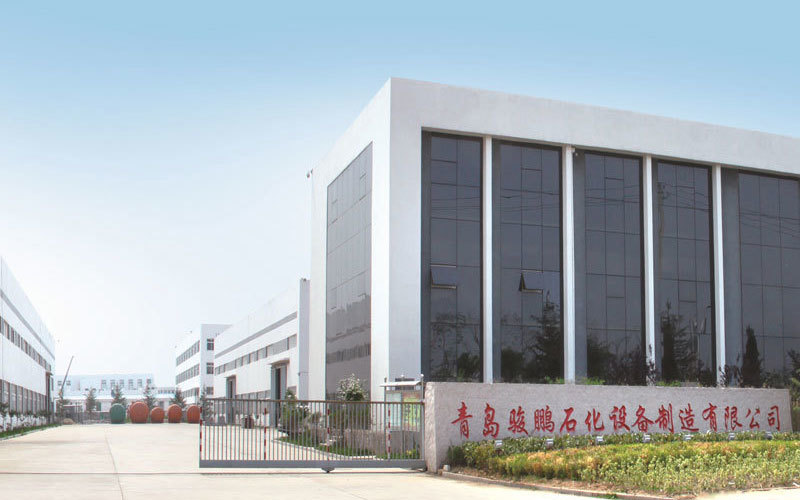
About UsQingdao Junpeng Petrochemical Equipment Manufacturing Co., Ltd. was established on February 10, 2010 with a registered capital of 51 million yuan. It is located in the beautiful tourist city of Qingdao.
-
ProductsQingdao Junpeng Petrochemical Equipment Manufacturing Co., Ltd. was established on February 10, 2010 with a registered capital of 51 million yuan. It is located in the beautiful tourist city of Qingdao.
Products
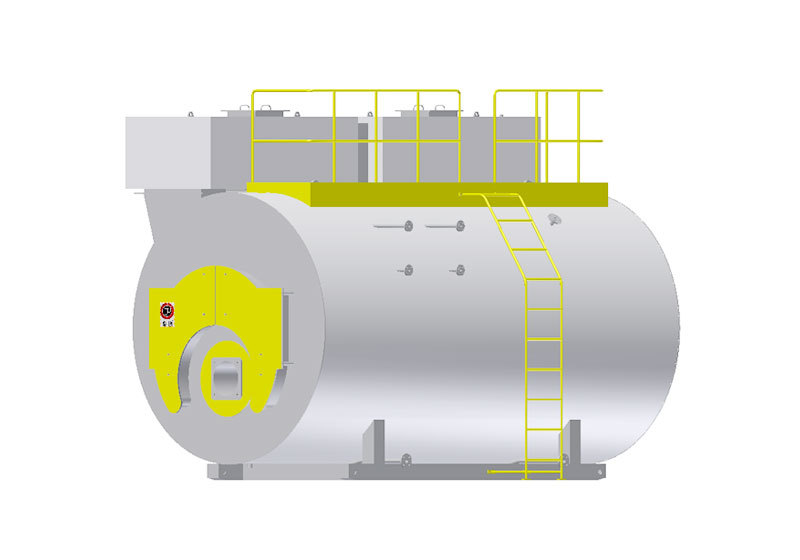
Resistance boiler
Electric heating boilers mainly consist of the boiler body, electrical control box, and control system. Its features include environmental friendliness, cleanliness, no pollution, no noise, and full automation.
Category:
Resistance Boiler
Keywords:
Boiler Equipment

Phone:
Email:
Online Message
Product Description
1. Features of Electric Boilers
Electric heating boilers mainly consist of the boiler body, an electric control box, and a control system. Their features include being environmentally friendly, clean, pollution-free, noiseless, and fully automatic. With the dwindling and sharp price increases of limited energy resources, electric heating boilers, as a new type of boiler equipment, are increasingly recognized. The electric heating tube is the core component of the electric heating boiler, directly determining the service life of the boiler. Our company chooses non-metallic electric heating tubes (such as ceramic electric heating tubes) because they are durable, have a long lifespan, and feature a water-electricity separation structure, ensuring the boiler never leaks electricity.
Electric heating boilers use tubular electric heaters to heat water, directly converting electrical energy into thermal energy (producing hot water or steam). Unlike combustion methods that convert chemical energy into thermal energy, they do not require air or fuel for combustion, eliminating harmful gas and ash emissions, fully meeting environmental protection requirements.
2. Brief Introduction to the Principle of Electric Hot Water Boilers
A boiler device that uses electricity as an energy source, converting it into thermal energy and then, through boiler conversion, outputs steam, high-temperature water, or organic heat carriers with a certain amount of thermal energy. The electric boiler body mainly consists of a steel shell, a computer control system, a low-voltage electrical system, electric heating tubes, inlet and outlet pipes, and detection instruments.
Electric boilers have two heating methods: electromagnetic induction heating and resistance (electric heating tube) heating. Resistance heating is further divided into stainless steel heating tube electric boilers and ceramic heating tube electric boilers. Resistance heating uses resistance-type tubular electric heating elements.
The main heating method for resistance boilers is electric heating tube heating.
3. Introduction to Electric Steam Boilers
1. The circuit design is advanced and reasonable, with fine workmanship, neat wiring, and extremely convenient operation and maintenance. The control cabinet is designed to allow for both top and bottom wiring, allowing users to choose as needed.
2. The connecting cables use multi-strand copper core wires with high insulation grades, good heat dissipation, and durability.
3. It has automatic water replenishment, water shortage, overheating, overpressure, automatic power-off and alarm, leakage protection, and power protection safety systems.
4. The boiler body of this series uses high-quality anthracite, with electricity as the heat source. It is noiseless, 100% pollution-free and clean. The heating tubes use German technology, with advanced processes and reliable quality, ensuring a product lifespan of more than 10,000 hours and a thermal efficiency of 98%. Users can also choose imported heating elements with a lifespan of up to 20,000 hours.
5. The electric heating tubes are connected to the boiler body with flanges, making them easy to install, disassemble, replace, repair, and maintain. Depending on the needs, imported color and monochrome touch screen control systems can be selected, achieving full automation during operation, with a full Chinese operating interface for human-computer interaction.
6. It can be connected to the upper machine as required to achieve remote monitoring and operation.
4. Key Component of Electric Boilers: Computer Boiler Controller
1. Fully automatic intelligent control technology requires no dedicated personnel. The operating mode is flexible and can be set to manual or automatic.
2. The automatic operation time period of the boiler can be set as needed. Multiple different working periods can be set for a day, allowing the boiler to automatically start each heating group at different times, cycling through the heating groups to ensure that each contactor has the same usage time and frequency, thereby extending the service life of the equipment.
3. The controller automatically controls, calculates, and tracks pressure. It can automatically start and stop the feed water pump and electric heating tubes when the load changes, and it can also be manually controlled.
4. It has comprehensive protection functions, including leakage protection, water shortage protection, grounding protection, steam overpressure protection, overcurrent protection, and power protection, ensuring automatic boiler protection and safety.
5. The boiler body uses boiler pressure vessel steel plate. The longitudinal and circumferential welds of the furnace body are automatically welded and undergo X-ray flaw detection. Small boilers feature an integrated body and electromechanical design for easy installation and connection; large boilers have a separate body and electric control design to prevent the electrical control components from being affected by the high temperature of the boiler body, ensuring the stable operation of the electric control components.
6. The compact, scientifically reasonable design and advanced manufacturing process make the boiler occupy less space, facilitating transportation and saving space.
7. Noiseless, pollution-free, and highly efficient. The boiler body uses high-quality and efficient insulation materials, minimizing heat dissipation loss and saving energy.
8. The boiler is packaged with high-quality color plates, making it beautiful, generous, and rust-resistant.
9. It uses low surface heat load electric heating elements that meet the requirements of JB/2379-93 and the "Technical Conditions for Metal Tubular Electric Heating Elements." High-quality heating wires are encased in thickened stainless steel tubes, filled with high-purity magnesium oxide powder, resulting in long-lasting electric heating tubes. Each group of electric heating elements is connected by flanges, featuring simple structure, high mechanical strength, safety, reliability, and easy replacement.
5. Key Component of Electric Boilers: Electric Heating Tubes
Stainless steel electric heating tubes use a metal tube as the outer shell, with a spirally distributed heating alloy wire (nickel-chromium, iron-chromium alloy) along the central axis of the tube. The gaps are filled and compacted with magnesium oxide sand, which has good insulation and heat conduction properties. The ends of the tube are sealed with silicone or ceramic. The boiler uses flange-type stainless steel electric heating tubes.
Stainless steel electric heating tubes are electrical components that specifically convert electrical energy into thermal energy. Due to their high thermal efficiency, ease of use, simple installation, and pollution-free nature, they are widely used in various heating applications, particularly in electric heating boilers. Stainless steel electric heating tubes have long lifespans, generally designed for over 10,000 hours of use.
Features:
1. Voltage can be designed as: 12-660V, with 380V being the most common.
2. Single injection power: 18KW and 36KW
3. Materials: 10# iron, T4 copper, 1Cr18Ni9Ti stainless steel, Ti titanium, etc.
4. Specifications: U-shaped, W-shaped, irregular shapes, electric heating tubes with heat dissipation fins, explosion-proof electric heating tubes.
Related Products
Contact Us
Sales Tel: +86-0532-58710666
Sales Tel: +86-13335063629
After-sales Tel: +86-0532-58710332
After-sales Tel: +86-13969678003
Email: qdjp-zh@163.com
Address: Qingdao High-tech Industrial Development Zone, New Materials Group
Copyright © 2025 Qingdao Junpeng Petrochemical Equipment Manufacturing Co., Ltd